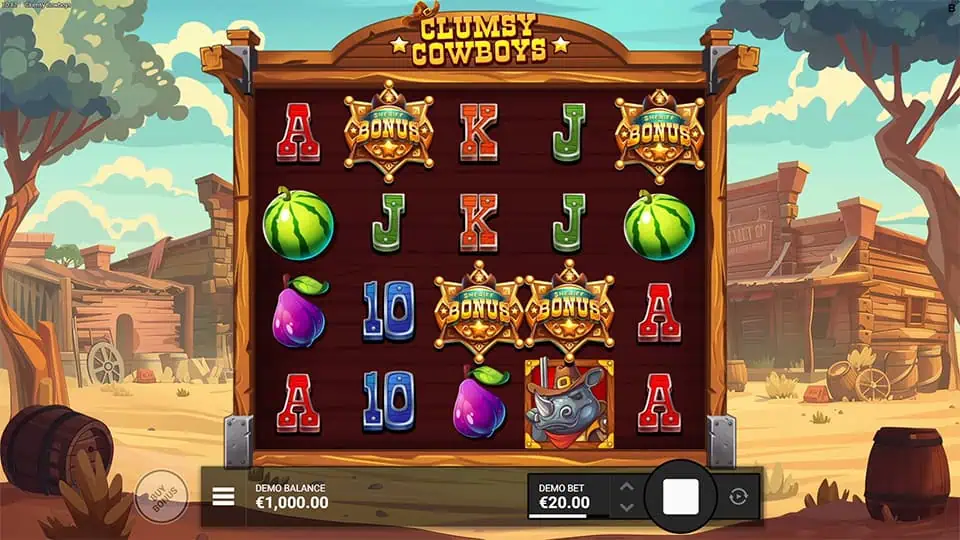
As a player, I prioritize transparency https://cowboysspin.eu/en-ca. When Cowboy Spin Casino introduced live game performance data, I paid attention. This isn't just another marketing gimmick. It's a concrete look under the hood of their platform. For players in Canada, these numbers are a practical tool. You can make choices based on actual return rates, volatility stats, and popularity, not just a flashy game screen. It replaces guesswork with verified facts, a practice I'd like to see every casino adopt. Let's look at what specific metrics they show, why they matter, and how you can use this data to shape your play.
What Are Game Performance Metrics?
Game performance metrics are the statistics that reveal how a casino game truly operates. They're not the same as the theoretical RTP printed in a game's rules. These figures derive from actual play on the casino's own servers. The key one is the actual Return to Player percentage. This shows the average amount paid back to players from total bets over a specific time. Volatility, also called variance, paints the risk picture. It tells you if a game dishes out small wins often or saves up for rare, big payouts. Win frequency is another key metric, showing how often any winning combination hits. For me, this data changes games. They shift from being simple fun to products I can examine. It gives me facts to understand what might happen and how to manage my money. This approach eliminates the guesswork. You're left with observable trends and hard numbers that show the real player experience on that specific site.
Key Metrics Shown by Cowboy Spin Casino
Cowboy Spin Casino chooses metrics that immediately affect how you play. The standout is the live RTP. I can see this number update, reflecting real payouts across all players on a particular slot or table game. Alongside it is a volatility rating, usually labeled low, medium, or high. This instantly reveals the game's risk style. They also present the hit frequency, a percentage that tells you how often a spin results in any win at all. For some games, you'll see the biggest recent win, which adds a bit of social proof and excitement. These aren't abstract digits. They are a direct window into the game's engine. I can match my choice to my style, whether I want a long session or a shot at a large jackpot. The presentation is simple, built right into the game lobby, so checking it becomes a standard part of picking a game.
The Reason Transparency in Metrics Counts for Players
Clear game metrics pass power back to the gamer. From where I view it, it establishes a layer of trust that's often missing. Online casino outcomes operate on random number engines. Concrete data is the best way I can to see "fairness" in play. It allows me to check that games perform as they should, which explains the whole procedure. This openness fights the opaque nature of many online venues. It gives players a factual foundation for their assurance. If you play with tactics, it supports smarter bankroll management. You approach a high-volatility game very distinctly than a low-volatility one. In the end, this openness transforms the dynamic. It appears less like a one-sided wager and more like an informed partnership. It displays respect for the player's intelligence and helps create a gaming environment founded on transparency, not obscurity.
How to Interpret RTP and Volatility Data
Knowing how to read RTP and volatility data is key to using it well. The RTP is a percentage, a long-term statistical average. A game with a 96.5% RTP will return $96.50 for every $100 wagered over millions of spins. I always bear in mind that this is not a short-term promise for my one-hour session. Volatility is the metric that describes the ride. A high RTP paired with high volatility means large payouts that happen infrequently, which can lead to long stretches without a win. A lower volatility game with a similar RTP offers more consistent, smaller wins. I use this combination to establish my expectations. I select high volatility for thrill-seeking sessions where I have a bigger bankroll. I choose low volatility for longer, steadier entertainment. A common mistake is misunderstanding this link. A high RTP doesn't mean you'll get 96.5% of your stake back today. It means the game is designed to achieve that over an immense period and across its entire player base.
Using Game Metrics to Guide Your Play Strategy
With actual metrics in possession, I can develop a play strategy that fits my goals and budget. This data-driven method takes me beyond random game selection. For example, if my chief aim is to lengthen my playing time and unlock bonus features, I search for games with medium-to-low volatility and a reliable RTP. If I'm dreaming of a life-changing jackpot, I'll embrace the higher volatility of progressive slots. I furthermore check the hit frequency to gauge how often I can anticipate some action on the reels. Here's a simple strategy framework I employ, grounded in the available numbers:
- For Session Longevity: Select games with Low/Medium Volatility and an RTP over 96%. This combination supports smaller, more common wins.
- For Jackpot Chasing: Opt for High Volatility games, making sure your bankroll can endure potential drawdowns for a shot at the top prize.
- For Bonus Feature Engagement: Look for games with a high hit frequency and bonus buy options if available, indicating active gameplay.
The Systems Behind Live Game Metrics
Presenting live game metrics represents a technical achievement in modern iGaming. It hinges on complex data aggregation systems that manage thousands of transactions every second. Every bet, win, and spin is recorded in real-time. This data feeds into analytics engines that determine the running RTP, volatility indices, and other key figures. These numbers are subsequently transmitted to the front-end through secure APIs, refreshing the displays you see in the game lobby or inside the game itself. The platform has to guarantee data integrity and security to prevent any tampering. For me, the smooth display of this complex data indicates the platform's technical strength. It makes the numbers on screen more credible. The needed infrastructure is very substantial. It includes cloud computing, strong databases, and low-latency data pipelines to guarantee the metrics are both current and accurate for the player observing them.
Evaluating Cowboy Spin's Approach to Industry Standards
Stacking Cowboy Spin Casino's transparency effort against general industry standards shows a distinct gap. Many casinos still only publish the theoretical RTP, a static number from the game developer hidden deep in the rules. Cowboy Spin's display of dynamic, platform-specific metrics is a forward-thinking move. Some regulators mandate theoretical RTP disclosure, but live data is usually a voluntary step. This puts Cowboy Spin ahead of the pack, alongside a small group of other progressive brands. It indicates a commitment to fair play that goes beyond simple compliance. The objective is to build player trust with data anyone can verify. In a market where players are getting smarter and demand more accountability, this is a distinct edge. The industry standard is passive disclosure. Cowboy Spin’s model is active transparency. I see this as a fundamental improvement in how a casino deals with its customers and runs its operations.
Useful Steps for Canadian Players to View This Data
Canadian players who want to use this data will find it simple to get. After logging into Cowboy Spin Casino, I navigate to the game lobby. For slots, the key metrics typically appear right on the game tile or in a dedicated information panel before I start playing. Clicking a game's "Info" or "?" icon usually brings up a detailed breakdown with the live RTP, volatility rating, and hit frequency. Be sure to check these numbers from time to time, as the live RTP can change based on recent gameplay. I've made it a habit to review this data as part of my routine for choosing a game. To get the clearest picture, I stick to a few best practices when I examine the metrics:
- Check the Sample Size: A live RTP becomes more reliable over a larger number of spins. A brand-new game might have metrics that jump around a lot.
- Compare Within Categories: Compare volatility and RTP between similar game types, like classic slots versus megaways slots, for a fair comparison.
- Use the Filters: Many lobbies allow you to filter games by volatility or RTP range. These tools help you quickly find suitable options.
- Note the Update Frequency: Knowing if metrics update hourly, daily, or weekly allows you to understand how relevant the data is right now.
Advantages for players: Past Educated Game Choices
The advantages of available game data go way past than just picking a game. For me, it builds a sense of mastery and diminishes that feeling of playing blindly. It teaches players how casino games actually function, which supports healthier play by creating realistic expectations. This transparency can also highlight games that are paying out well for the player community, fostering a more communal and engaged atmosphere. On top of that, it holds the casino to account. If the RTP was steadily low across multiple games, players would see it instantly and could raise questions. In the end, it lifts the whole player experience from a passive activity to an informed entertainment choice. I find that far more satisfying and trustworthy. This model promotes responsible gaming by providing players the tools to grasp risk. That's a pillar of any modern, ethical gaming platform.
Future of Game Transparency in Online Casinos

I believe transparency will define the direction of online gaming, and Cowboy Spin's model is leading the charge. We'll likely see more detailed metrics next. Maybe session-specific RTP tracking or personalized volatility assessments. Blockchain technology could drive this further by offering unchangeable, publicly verifiable fairness certificates for every single game round. Regulatory bodies will likely move from requiring theoretical RTP to insisting on the publication of live data. This shift will compel all operators to do the same, raising the bar for the entire industry. For players, it means a future where informed decision-making is normal. Trust will be built on data, and the gaming experience will be more engaging and more fair. The trend is clear. Opacity is on its way out. Data-driven clarity is emerging as the new benchmark for any reputable online casino.
Cowboy Spin Casino's decision to show live game performance metrics represents a real step toward player empowerment and industry transparency. By providing Canadian players clear data on RTP, volatility, and win frequency, the platform enables for more calculated and informed gameplay. This fosters essential trust and sets a new standard for what players should require from their gaming providers. As this practice catches on, it will result in a more educated player base and a more accountable online casino industry. Everyone profits. Having these metrics converts the player from a simple participant into an informed analyst. That change radically improves the quality and fairness of the entire online gaming landscape.